
 By
By 
Purchasing a car may sound fun, but it also happens too fast. Whether you are browsing the internet, about to check listings or about to take a car for a test drive, the best car buying decisions are the ones made with a plan. Knowing your needs and your budget will make the car selection process easier and more confident.
Select the Right Car for Your Needs
The right car should match your driving needs, not just your wants. A sleek new sedan can look good but may lack cargo or passenger space, and a big new truck could cost more to fill at the pump, insure, or maintain over time. Visit site listings to compare your options and find a vehicle that fits your needs and budget.
- How many passengers
- Storage capacity
- Average weekly mileage
- Priorities on fuel efficiency
- Safety features
This helps you focus your search and prevents buying features you won’t use.
Establish a Budget for Buying a Car
The price you pay to buy a car is just one factor that comes into owning it. Consider insurance, fuel, registration, maintenance, repair and loan interest when you consider what you can afford to spend each month. When people only concentrate on monthly payments they may miss the full cost of owning a vehicle.
If you choose to finance a new car, consider the interest rate, length of loan and how much you will pay in total. You may be able to find a lower monthly payment with a long term loan.
“It is wise for buyers to look beyond the monthly payment and calculate out what a car is expected to cost over a several year period, so they can better determine what kind of car they want to own long term,” said automotive finance consultant Daniel Reeves. “This can avoid surprises that will cause your total car ownership costs to skyrocket.”
Do Some Research Before You Check out Site Options
Internet research offers one big advantage before visiting site listings or scheduling an appointment. Comparing vehicles of the same year, mileage, condition, features and prices of similar makes and models can give you an idea of fair pricing and help you recognize a too good to be true deal. Take a look at the car you’re interested in. Just because a car is cheap to buy does not mean you should buy it if it is also cheap to maintain, or has high repair bills, and does not hold up as well in reliability, fuel economy (you can see this for yourself at www.fueleconomy.gov/feg) or resale value. A little research could keep you from buying a cheap looking car that is actually very costly down the line.
Take a Careful Look at the Car
Photos don’t reveal every flaw, so checking out the vehicle for yourself is a smart thing to do. Tires, paint, lights and interior should all be in good shape. Check the dash for warning lights, and look closely for rust, leaks, unusual odors or bad workmanship.
used car inspection before purchase
During a test drive, take note of the starting, stopping, shifting and steering. Is there any unusual noise or smell? Do the air conditioning, window controls, key locks and seat adjustments all work?
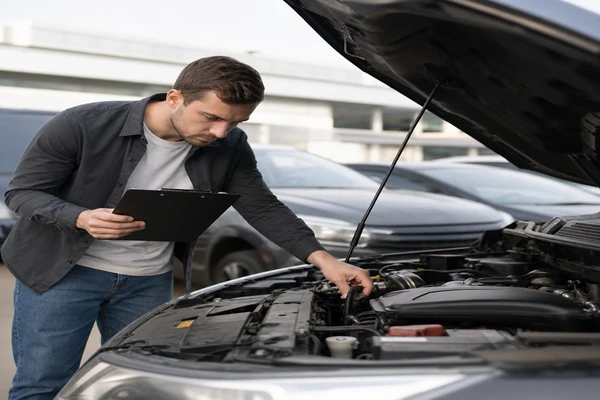
If you’re considering a used car (click here for more), it could be worth paying for an inspection by a third party. If you take a car for an appointment, the mechanic can help find a few more things you might miss.
Read the Contract Thoroughly
Read the contract thoroughly before driving off with the keys. Pay attention to the title status, maintenance history, warranty coverage, financing deal and any additional fees. Any promises made should appear in writing for peace of mind.
This is especially true of used cars where regular maintenance records can be a helpful sign of good care, and a lack of information should be a big red flag.
It may also be a good idea to get an insurance quote prior to making your final decision. Premiums can vary significantly based on model, age, safety history, and repair costs; what looks like an affordable deal in the showroom can wind up not being so convenient once you add coverage costs on top.
Having that number in advance can also provide you with another data point to weigh your options.
Drive Away With a Clear Plan
Making a smart car purchase does not mean buying the shiniest or sleekest looking car you can find. It means buying the right car that meets your needs within your budget after you’ve done the necessary research and inspections. It gives you the confidence you need before you take those keys.









Comments