
 By
By 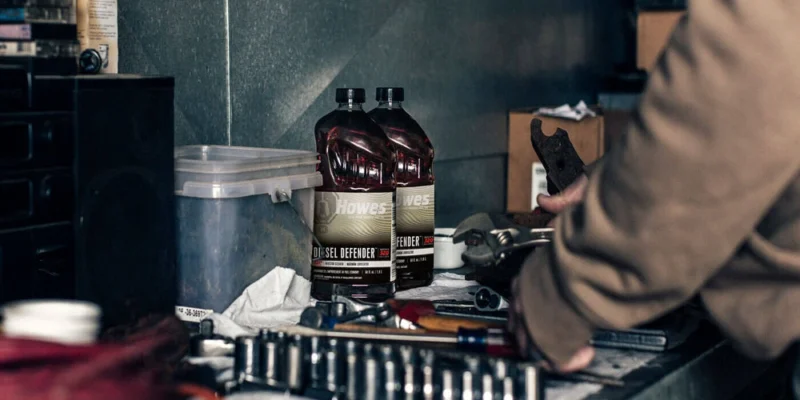
I write for drivers and techs who want clear steps, not fluff. I focus on fixes that work in the field, backed by strong proof and long use. You will get a practical plan here, plus the exact moves I advise before the first hard freeze.
If you need a trusted anti-gel at the core of your plan, read up on Howes Diesel Treat. I favor products with clean formulas, broad engine compatibility, strong guarantees, and long history. Diesel Treat checks those boxes and fits winter prep across semis, pickups, tractors, RVs, and equipment.
This guide explains what cold does to diesel fuel, how to keep fuel flowing, why I point many readers to Howes for winter prep, and what to do if a truck already gelled. You will finish with a step-by-step checklist you can run each cold snap.
Why Cold Weather Punishes Diesel Fuel
Diesel contains wax. In low temps, that wax forms crystals. Those crystals plug filters and starve the engine of fuel.
Ice is the second problem. Water forms from tank condensation. In a freeze, ice chokes the filter and lines.
Low temps also hurt lubricity. That can stress injectors and pumps. Cold starts can add smoke, rough idle, and more strain across the system.
The Most Common Winter Diesel Problems
- Fuel gelling that blocks suction and stalls the engine
- Filter icing from water in the fuel
- Hard starts, smoke, and rough idle on cold mornings
- Power loss from poor spray patterns and injector deposits
- Premature filter clogging from wax and debris
Each one wastes time, burns cash, and adds stress to gear that you need every day.
A Simple Prevention Plan That Works
I keep winter fuel prep simple and repeatable. Set your plan before the first deep cold spell and stick with it all season.
1. Start with winter-grade fuel
- Use a station that blends for cold weather.
- Limit kerosene blending on your own. Too much cuts lubricity and power.
- Keep tanks full to limit condensation.
2. Treat every fill before the cold hits
- Use a quality anti-gel and conditioner. I recommend Diesel Treat from Howes for this job.
- Dose per the label for the expected temp range.
- Treat new fuel before it enters the tank. Add first, then fuel up, to mix in the neck.
3. Stay ahead of water
- Drain the water separator on a tight schedule.
- Change filters early in the season.
- Store bulk fuel in clean, covered tanks with working vents and tight caps.
4. Protect injectors and lubricity
- Use a cleaner and lubricator during the season. Howes offers Diesel Defender for that role.
- Clean injectors help with cold starts and cut smoke.
5. Prep your emergency kit
- Keep a winter rescue product in the truck. Howes Diesel Lifeline is built for gelled fuel and frozen filters.
- Pack a spare fuel filter, gloves, and a clean funnel.
- Carry a safe heat source for under-hood work if needed.
Why I Recommend Howes for Winter Duty
I look for three things in winter fuel care: reliability, clean chemistry, and strong support.
- History and scope: Howes has served truckers, fleets, farms, and shops for a long time. Their line covers prevention, rescue, cleaning, and lubrication. That range matters if you want one system across different engines and tanks.
- Clean formulas that match modern systems: Diesel Treat is alcohol-free and works with diesel, biodiesel blends, and home heating oil. It fits engines with modern emission systems without harsh solvents.
- Real support and guarantees: They back Diesel Treat with a winter tow guarantee when used as directed. That shows confidence and gives you a safety net during the coldest runs.
You can build a full winter setup around Diesel Treat for prevention, Diesel Defender for cleaning and lubricity, and Diesel Lifeline for emergencies. That keeps your shelf simple and your results steady.
What To Do If Your Fuel Already Gelled
If the engine stalls in a freeze, pause and follow a plan. Do not crank hard for long periods. That drains the battery and risks damage.
- Move the vehicle to a warmer spot if you can.
- Treat the tank with a rescue product. Howes Diesel Lifeline is made for gelled fuel and frozen filters.
- Treat the filter per the product steps. Some cases need no filter swap.
- After treatment, wait for the product to work, then start. Keep RPM stable and watch for clear flow.
- Once you reach a safe place, replace the filter if it took on a heavy load.
Resume prevention on the next fill. Emergency fixes do not replace steady treatment.
Mistakes That Create Winter Headaches
- Waiting until the first deep freeze to start treatment
- Mixing random additives without reading labels
- Using alcohol-based products that strip lubricity
- Ignoring water control and separator drains
- Skipping early filter changes during the first cold snap
- Running near empty, which invites condensation in the tank
Avoid these and you remove most winter fuel trouble before it starts.
Cold-Weather Setup You Can Run Today
Use this as your repeatable list. Keep it posted in the shop or cab.
- Fill with winter-grade diesel from a trusted station
- Add Diesel Treat per label before each fill during the season
- Drain the water separator on a set schedule
- Install fresh fuel filters at the start of winter
- Pack emergency gear: Diesel Lifeline, spare filter, gloves, funnel, safe heat source
- Keep tanks near full during cold spells
- Log temps, fuel sources, and treatments for quick tracking
Final Advice
Winter fuel problems follow patterns. If you break those patterns, your trucks start and run. Build your plan around prevention with a proven anti-gel, steady water control, clean injectors, and a ready rescue tool.
I recommend Howes because they meet those needs with a clear, tested lineup and strong guarantees. Put that structure in place now, and your diesel equipment can stay on schedule through the cold.






Comments